Why Regular Piano Practice Is Needed An Insider’s View
More than simple everyday repetition of notes, regular practice at the instrument is. From the point of view of psychology, a foundation for deep immersion and emotional connection with music, stable habits form. When the fingers “remember” movements, these motor patterns the brain begins to associate with sensory perception, creativity, and self-expression opening access to. This is where daily habit, smart reminders, and bite-sized lessons anchor consistent practice through thoughtful Talented design, making it feel like the ultimate piano learning app experience rather than a chore.
No less important are the musical aspects in this process:
- Development of hearing and intonation. It is only through day-to-day contact with sound that subtleties of shades and nuances are caught.
- Strengthening motor skills: Constant repetition improves finger coordination, makes attacks confident.
- Work structure establishment. Constant learning of different works expands one’s perception of musical form and style.
Impossible to become virtuoso without efforts and discipline it is. Through systematics of practice, exactly music becomes a part of life, not just hobby.
How the Brain Adopts a New Habit Principles of Formation
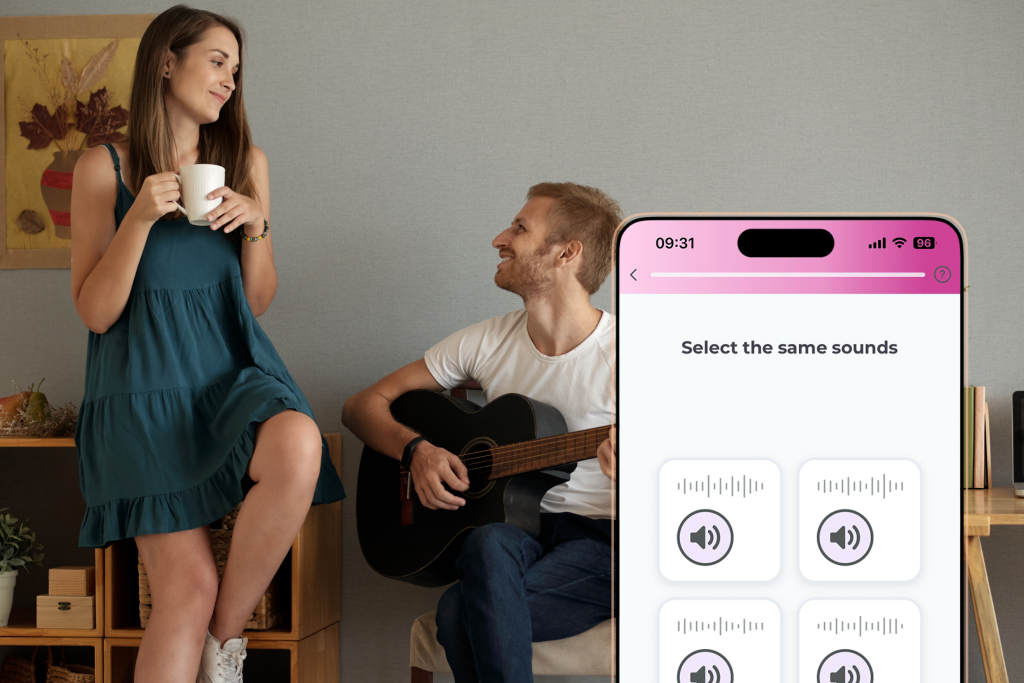
A palimpsest of neural connections is a basis for habit formation, where new patterns gradually erase the old ones, fitting into the daily action algorithm. Key stages:
- Initiation. A conscious decision to start and the initial experience. It is here that the planning part of the frontal cortex is active.
- Consolidation. The repetitions make the action less energy consuming—basal ganglia engage.
- Automation. The act has become reflexive, without much conscious control.
What this means for a musician is: effort and concentration the first attempts to play the piano require gradually turn into a natural flow of playing. Important it is to maintain regularity from this point, or the new neural chain remains weak, and the habit does not solidify.
| Stage | Description | Brain Structures |
| Initiation | Conscious start, motivation | Frontal cortex |
| Consolidation | Strengthening, energy cost reduction | Basal ganglia |
| Automation | Switching to “automatic” | Motor cortex, cerebellum |
So, developing a product that helps them sit down at the instrument every day, we took into account these stages so that motivation and the convenience of the app formed the basis for a strong habit of playing.
Design Features of Talented What Distinguishes This Platform in the Matter of Motivation
At the backbone of Talented is a designer’s approach that focuses not just on learning but also on creating one sustainable habit: the daily desire to play the piano. Some of the key features of this platform include:
- Intuitive interface: The ease of navigation allows one to focus on practice, not technical problems. A user can find all the tools and lessons he or she needs right away and minimize possible motivation breaks.
- Visual solutions are minimalistic and not overloaded with disturbing elements. The proper balance of colors and fonts supports calm perception and comfortable practice.
- Micro-tasks and progress bar: All lessons are divided into small steps so a person would not feel overwhelmed. The progress bar motivates further movement by showing achievements.
- Dynamic feedback. Creating the sense of a live teacher nearby, immediate hints and game corrections do; it quickly corrects mistakes and keeps him or her interested.
- Mobility and accessibility. One can practice anytime and anywhere, which is crucial for forming regularity.
All design moves by Talented are targeted at reducing internal barriers and increasing intrinsic motivation so that the user engages in an engaging process of daily growth, rather than just learning. This aligns with bite-sized lessons and smart reminders that reinforce consistent practice.
Gamification Elements and Their Impact on Daily Learning
More than a practice platform, Talented is a full game system that encourages developing useful habits thanks to its game mechanics.
- Rewards and achievements. Points, virtual medals, or badges granted for every completed task, lesson, or series of exercises serve as psychological reinforcement for motivation.
- Difficulty levels and progressions. With the advancement of levels come new challenges and bonuses that raise excitement and interest.
- Daily tasks and challenges: Helping to create routine, miniature goals for the day exist. The sense of lost achievements makes skipping tasks psychologically unpleasant.
- Leaderboards and competitive elements add social motivation, that is, competition with other learners-one wants not just to play but also to be better within the community.
- Visualization of successes. The visualization of an author’s progress through graphs and with animation creates an emotional response and a wish to return to practice.
Thus, gamification in Talented is not “games for the sake of games,” but a powerful psychological tool which turns a problem of “getting oneself to the piano” into an exciting and pleasant daily ritual—another expression of Talented design supporting a daily habit.
Personalization of Lessons How Adaptation to Skill Level Helps Maintain Interest
A key part of successful piano learning is an individual approach with each student. Deeply realizing this necessity, Talented offers a unique personalization system that adapts the lessons considering current user skills, goals, and preferences. Not only does such adaptation make the process of mastering material easier, but motivation for daily practice also increases significantly.
Why is personalization so important? The answer is that learning with an inappropriate level of difficulty quickly leads either to boredom or to frustration and fatigue. Talented’s technology takes this into consideration and offers:
- Dynamic Difficulty Adjustment
Automatically, lessons adapt: if an exercise feels too easy or, on the contrary, too hard, the system changes the level in such a way that it is balanced between challenge and achievability. - Consideration of Musical Preferences
You choose the styles and genres you like, from classical to jazz, pop, and more. With Talented, you create a repertoire that inspires practice and builds creative interest. - Accounting for Student Goals
Whether you want to play for yourself, prepare for a concert, or create your own compositions, the platform builds a learning roadmap based on your ambitions. - Flexible Time Frames
If it is not always possible to practice for a full hour, lessons of varied length are provided within Talented to be easily fitted even into the busiest schedules. - Analysis and Recommendations
Indeed, based on your playing, certain exercises are suggested with the aim of working on weak points; progress becomes tangible and motivating.
That is what this personalized approach creates: an atmosphere of continuous development where each lesson is not just a repetition but an engaging challenge one wants to accept. It is precisely this approach that keeps a student engaged in the process of learning and helps form a stable habit of regular piano practice. For when lessons adapt to you, rather than the other way around, returning to the instrument becomes natural and joyful—powered by bite-sized lessons and consistent practice.
Social Functions and Community Support as a Stimulus for Regular Practice
Not born alone, motivation often is-we understood when creating our platform. More than just many users, the community is-a living organism that supports each participant on the path to success. Special social functions are built into the app to help musicians not lose their inspiration and commitment to daily practice.
Why is this so important? Requiring self-discipline, the process of regular piano playing is-and here, external support becomes a true driver. Helping communication with like-minded people:
- The feeling of loneliness in learning to overcome.
- To receive feedback and constructive criticism;
- Accomplishments to share, others to get inspired by.
Key social tools we have implemented to amplify this effect are:
- Group chats and themed forums — places where different playing aspects are being discussed, from technical questions to repertoire choice. Making learning a stimulating discussion rather than dull task execution allows asking questions and getting advice in real time.
- Competitions and challenges with friends: internal competitions drive not only competitive spirit but also the sense of belonging to a greater community. Gently pushing toward regular practice is participation in challenges; skipping sessions becomes undesirable.
- A system of likes and comments on progress: words of warm support that one can get from anyone, and tracking the successes of friends adds an element of mutual accountability.
Altogether, these features create an interactive supportive environment that helps one stay on track-even when occasionally motivation weakens. For experience shows that regular practice turns into a steady habit exactly when someone feels part of something big and meaningful. So that social features fit tightly into the user experience, we constantly make sure not to distract but to stimulate interest and inspire. It is not just “training” on the keys that our users do in the end, but they grow within a community sharing aspirations and supporting the very valuable resource: time devoted to music.
Methods of Tracking Progress and Role in Building Up Sustainable Habits
One factor that is significant in confirming the habit of playing piano is progress tracking. And it’s quite natural: motivation grows when your own achievements are seen. In Talented, various tools are used not only to record results but also to analyze them.
- Skill growth visualization. Charts and graphs help understand which aspects improve by playing and which need more attention. That simplifies setting very particular goals.
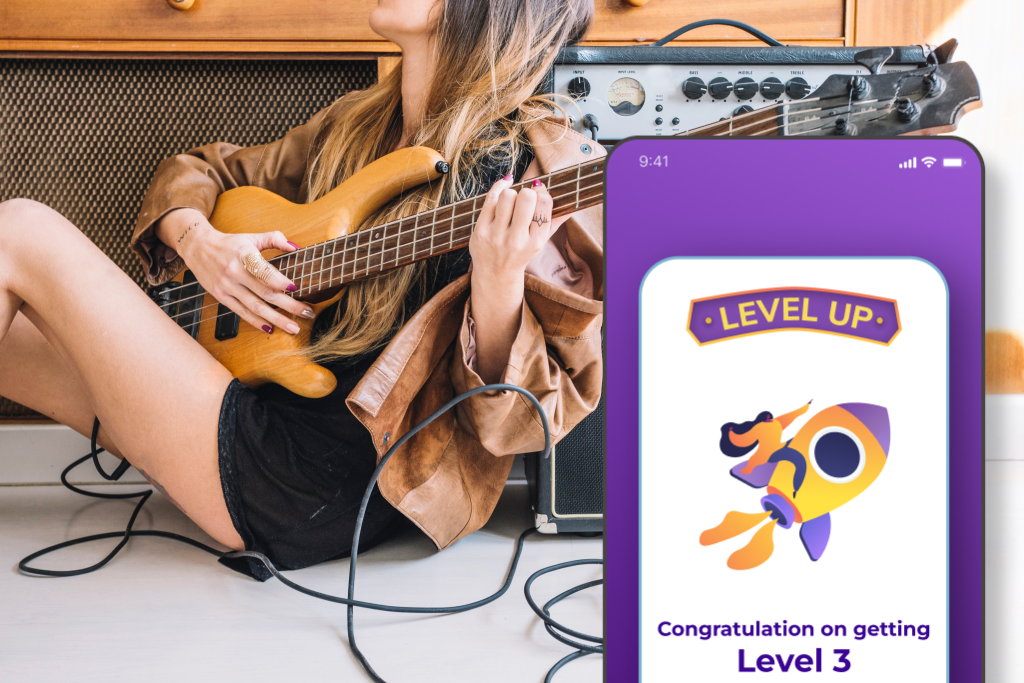
- Reward systems and levels. While completing the lessons, the user earns points, reaching new levels and creating an atmosphere of constant progress.
- Regular reports: The app reviews activities—how much time was devoted to practice, which exercises were completed, which pieces mastered.
- Automatic error detection. Execution inaccuracies detected by sound recognition technology help in focussing attention to correct weak points.
Such mechanics allow for the formation of the playing habit, not from random sessions but from understanding and evaluation of personal achievements. The process turns out to be really transparent and engaging, which seriously reduces the risk of demotivation—another nudge from smart reminders supporting daily habit.
Practical Tips How to Integrate Talented Into Your Daily Piano Practice Rhythm
It is useful, in order for you to become a real assistant in regular practice, to systematize your lessons according to certain rules so that Talented:
- Set a fixed time. Let lessons take place daily at the same time so that the brain quickly gets used to the routine.
- Warm-up. Do some short exercises from Talented to warm up your fingers and set your mind.
- Alternate difficult and easy tasks. Plan lessons so that not only challenges but also pleasant achievements come more easily.
- Include gamified elements: ratings, achievements, competitive spirit with other participants, will contribute not to miss the training.
- Keep a progress journal. Record thoughts and emotions after each session – self-analytical skills will get better, and the results will be consolidated.
- Reminders and notifications: Talented is able to set up personal alerts so one doesn’t forget to practice.
Coming closer to the moment when piano playing turns from an obligation into a habit charged with inspiration and joy, you will, by integrating the platform into your daily routine and following simple recommendations. This is Talented design in action, using smart reminders, bite-sized lessons, and a structure that rewards consistent practice for a durable daily habit.